In industrial systems, trapped pressure can be dangerous, maintenance delays costly, and improper venting a recipe for system failure. Many engineers and buyers underestimate the importance of small components like bleeder fittings—until something goes wrong. That’s why understanding what a bleeder fitting is, how it works, and where it applies is critical for ensuring safe and efficient operation. In this article, we’ll break down the definition, function, applications, and selection tips for bleeder fittings to help you make informed procurement decisions.
Bleeder fittings are small, precision-engineered components designed to safely release trapped pressure or residual fluid from instrumentation systems, hydraulic circuits, or pipeline assemblies. They are commonly used during system maintenance, calibration, or shutdown to ensure safety and prevent leaks or damage.
Keep reading to discover how bleeder fittings work, where they’re used, and how to choose the right type for your application.
What Is the Function of a Bleeder Fitting?
A bleeder fitting (also known as a bleed plug or vent valve) serves a simple but essential role—to relieve trapped pressure or fluid from a system. When a valve, pump, or pipeline is shut off, pockets of pressure often remain in isolated sections. If not properly released, these trapped fluids or gases can cause:
- Pressure-related accidents or injuries
- Inaccurate calibration of instruments
- Difficulty in system disassembly or inspection
- Corrosion or contamination over time
By integrating a bleeder fitting at strategic points, operators can manually or automatically release this pressure before disassembly, testing, or maintenance. This improves workplace safety, system reliability, and service efficiency.
Where Is a Bleeder Fitting Typically Installed?
Bleeder fittings are typically installed on components that are prone to pressure buildup or require frequent inspection, such as:
- Instrumentation manifolds
- Hydraulic and pneumatic valve blocks
- Double block and bleed (DBB) valve assemblies
- Grease and lubrication lines
- High-pressure fuel or chemical systems
In B2B industrial setups like oil & gas, petrochemical, power generation, or manufacturing plants, bleeder fittings are commonly placed on outlet ports, calibration lines, and pressure sensing equipment.

What Are the Main Types of Bleeder Fittings?
There are several configurations of bleeder fittings depending on the system pressure, media type, and frequency of use:
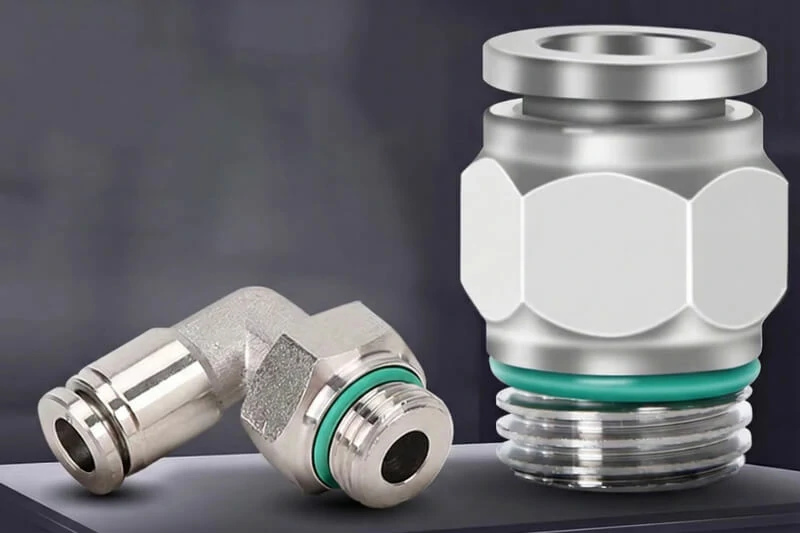
Threaded Bleeder Fittings
These are screwed directly into ports and sealed using tapered threads or O-rings. They’re ideal for general-purpose venting and easy installation.
Bleeder Valves with Bonnet
These compact units integrate a miniature valve mechanism, allowing users to open or close the vent with a wrench. Walter Valves’ bleeder bonnets offer excellent sealing and repeatability for frequent use.
Grease Bleeder Fittings
Designed for lubrication systems, these fittings prevent over-pressurization during grease injection and allow excess grease or air to be purged.
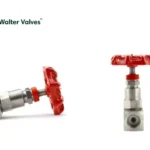
Needle-Type Bleeder Valves
For precise control of bleeding rate, especially in high-pressure systems. These are often used in instrumentation or flow control applications.

How Do You Operate a Bleeder Fitting Safely?
Safety is a key concern when venting pressurized systems. Here are general steps to operate a bleeder fitting:
- Depressurize the upstream system first.
- Verify the system pressure using a gauge.
- Use appropriate PPE (gloves, face shields) depending on the media.
- Open the bleeder fitting slowly and cautiously.
- Allow the trapped gas or fluid to escape fully.
- Tighten or reseal the fitting after bleeding is complete.
In critical applications, bleeder fittings should be operated by trained personnel to avoid accidental discharge of hazardous media.
What Materials Are Bleeder Fittings Made From?
Material selection depends on the fluid type, pressure, and temperature:
- Stainless Steel 316 – Most common; excellent corrosion resistance for oil & gas, chemical, and marine environments.
- Carbon Steel – Cost-effective for non-corrosive systems.
- Brass – Suitable for water and low-pressure air systems.
- Monel or Hastelloy – Used in highly corrosive or acidic media.
At Walter Valves, we manufacture bleeder fittings from high-grade stainless steel for consistent quality and superior resistance to harsh environments.

What Are the Pressure Ratings of Bleeder Fittings?
Bleeder fittings are designed to handle a wide range of pressures. Typical ratings include:
| Material | Pressure Rating (psi) |
| Stainless Steel 316 | Up to 6,000 psi |
| Carbon Steel | Up to 5,000 psi |
| Brass | Up to 3,000 psi |
| Special Alloys | Up to 10,000+ psi |
Always refer to product datasheets and system requirements before finalizing the specification.
Why Is It Important to Bleed Air or Fluid From a System?
Trapped air or residual liquid in closed-loop systems can cause multiple issues:
- Inaccuracy in sensors or gauges
- Water hammer and vibration in pipelines
- Increased system pressure and component wear
- Difficulty in achieving vacuum or pressure equilibrium
Bleeding ensures the system returns to zero pressure, improves calibration accuracy, and prevents damage during shutdown or repair.

What Is the Difference Between a Bleeder Fitting and a Relief Valve?
While both are pressure control devices, their functions are different:
| Feature | Bleeder Fitting | Relief Valve |
| Operation | Manual or controlled release | Automatic release at preset pressure |
| Purpose | Remove residual pressure or fluid | Protect against overpressure |
| Activation | On-demand by operator | Automatically triggered by pressure |
| Reusability | Typically reused | May need recalibration after activation |
In many instrumentation setups, both components are used together to manage routine bleeding and emergency relief.
What Should I Consider When Choosing a Bleeder Fitting?
Here are key selection factors:
- Thread type and size (NPT, BSP, etc.)
- System pressure
- Media type (gas, oil, water, chemicals)
- Frequency of use
- Material compatibility
- Temperature range
Walter Valves offers a wide range of bleeder fittings with customizable specs to meet your exact needs—contact us at info@waltervalves.com for technical support.
FAQ
What Is a Bleed Plug Used For?
A bleed plug is used to manually release residual pressure or trapped air from valves, pumps, or piping systems. It ensures safe maintenance and calibration by preventing pressure-related accidents.
How Do You Know If Your System Needs a Bleeder Fitting?
If your system retains pressure after shutdown, involves high-precision sensors, or requires regular inspection, a bleeder fitting is essential for safety and reliability.
Can Bleeder Fittings Be Used for Gas Systems?
Yes, but ensure the fitting is compatible with the gas type, pressure rating, and sealing standards. Gas systems often use stainless steel bleeder valves with leak-tight seals.
Are Bleeder Fittings Reusable?
Yes. Most bleeder fittings, especially those from Walter Valves, are built for repeat use and long service life under tough industrial conditions.
Do Bleeder Fittings Require Maintenance?
Minimal maintenance is required. Regular inspection for seal wear, corrosion, and thread integrity is recommended, especially in high-frequency applications.
Conclusion
Bleeder fittings may be small, but they play a critical role in pressure management, safety, and system performance across various industrial sectors. From instrumentation panels to hydraulic lines, choosing the right bleeder fitting ensures efficient operation and prevents costly breakdowns. At Walter Valves, we supply durable, high-pressure bleeder fittings backed by factory pricing, abundant stock, and quick delivery.
Need help selecting the right bleeder fitting for your system? Contact us today at info@waltervalves.com or explore our full product catalog.Have questions or experiences to share? Drop them in the comments below or share this article with your colleagues.