In fluid control systems, accuracy and consistency are everything. But many buyers and engineers struggle to distinguish between common valve types—especially when it comes to fine flow control. Selecting the wrong valve could mean imprecise dosing, unstable system performance, or costly overuse of fluids. That’s why understanding what a metering valve does—and where it fits in your process—is essential to making smarter, more efficient choices.
A metering valve precisely controls the flow rate of liquids or gases by adjusting the size of the valve opening, enabling smooth, accurate, and repeatable flow regulation in instrumentation and process control systems.
Whether you’re in oil & gas, chemical processing, or instrumentation design—understanding how metering valves work can help you streamline operations and avoid costly mistakes.
What Is a Metering Valve?
A metering valve is a type of flow control valve designed to regulate the volume of fluid passing through a system with fine precision. Unlike a standard valve that opens and closes quickly, a metering valve uses a long, finely threaded stem and a narrow orifice, allowing small, gradual changes to the flow rate. This is ideal for applications that require consistent, low-volume flow, such as laboratory sampling, chemical dosing, or gas analysis.
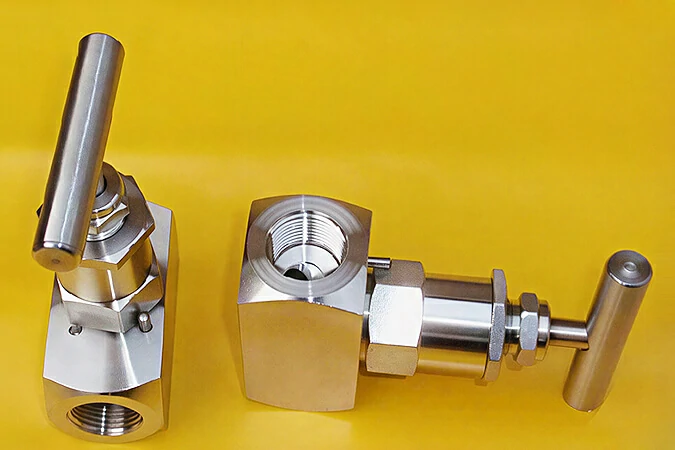
Metering valves are often made of stainless steel or brass and are designed to withstand medium to high pressures in industrial environments. They typically include a rotating knob or handwheel for manual adjustment and may include graduated markings for reference.
How Does a Metering Valve Work?
A metering valve controls fluid flow using a tapered stem (also called a needle) that moves in and out of a small orifice. When you turn the valve’s handle, the stem moves, changing the distance between the stem and seat—this adjusts the size of the gap through which the fluid flows.
What makes metering valves unique is the high number of stem turns required to change the flow. This multi-turn mechanism enables operators to fine-tune the flow with high precision, which is not possible with standard needle or ball valves. As the stem advances or retracts gradually, the flow increases or decreases predictably and smoothly.
What Is a Metering Valve Used For?
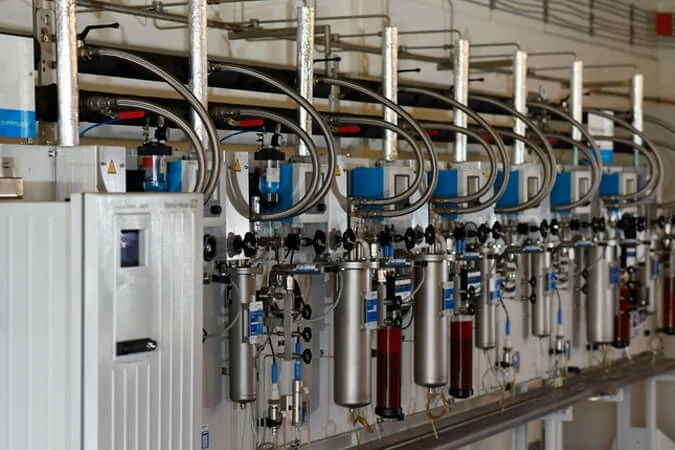
Metering valves are commonly used in systems where precision flow control is critical. These include:
- Analytical instrumentation: Where stable and consistent flow is essential for accurate readings.
- Chemical dosing: For controlled injection of additives or reagents in process systems.
- Sampling lines: To regulate small fluid quantities for analysis without disturbing the main process.
- Fuel and gas regulation: In pilot plants, burner systems, or lab testing setups.
- Hydraulic circuits: For controlling actuator speeds or fluid volumes with accuracy.
In short, wherever you need controlled micro-flow, a metering valve is likely the best solution.
Metering Valve vs. Needle Valve — What’s the Difference?
While both valves use a tapered stem to control flow, their purposes and performance characteristics differ significantly:
| Feature | Metering Valve | Needle Valve |
| Precision | Very high — designed for fine, incremental flow control | Moderate — suitable for general throttling |
| Turns | Multiple turns for micro-adjustments | Fewer turns |
| Flow Stability | Highly stable, especially for low flows | Moderate stability |
| Application | Analytical systems, gas control, dosing | Shutoff or coarse control in pipelines |
| Shutoff Capability | Often not designed for zero-leak shutoff | Can provide full shutoff |
Metering valves offer finer control and smoother flow characteristics, making them ideal for processes that demand repeatability and accuracy.
Can a Metering Valve Be Used for Shutoff?
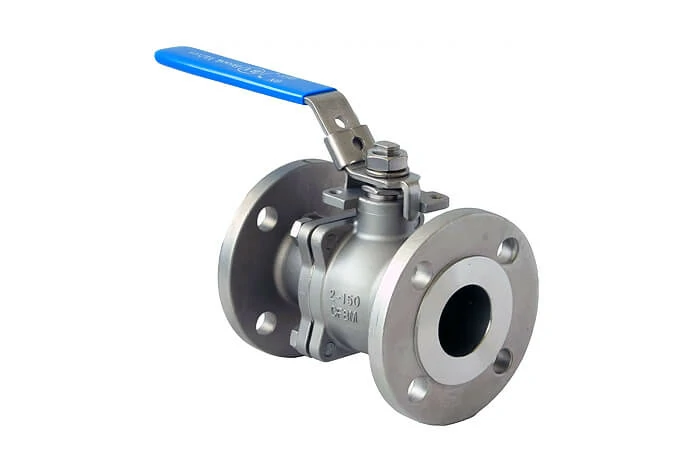
While metering valves can restrict flow significantly, they are not always designed for complete shutoff. Some models may allow minimal leakage when fully closed. If your system requires zero leakage or secure isolation, it’s best to pair a metering valve with a dedicated shutoff valve, such as a ball valve or needle valve rated for bubble-tight closure.
What industries use metering valves?
Metering valves are widely used across many industrial sectors where precise flow regulation is essential, including:
- Petrochemical and oil & gas: Controlling chemical injections and pilot plant operations.
- Pharmaceutical manufacturing: Dosing active ingredients in cleanroom environments.
- Water treatment: Metering flocculants, acids, and pH adjusters.
Laboratory and research: Managing microfluidic flows or gas chromatography samples.

Semiconductor processing: Managing gas or chemical flow in wafer fabrication.
These valves help prevent overdosing, maintain safety, and improve process repeatability.
Are metering valves manual or automated?
Most metering valves are manually operated with a turning knob, especially in instrumentation applications. However, automated metering valves do exist and are often integrated with actuators or electronic controllers in high-end process systems. These allow remote adjustment, feedback control, or integration with programmable logic controllers (PLCs) or SCADA systems.
What are the key specifications to consider when choosing a metering valve?
When selecting a metering valve, you should evaluate:
- Flow coefficient (Cv): Determines the valve’s flow capacity.
- Connection type: NPT, compression, or custom threads.
- Material: Stainless steel, brass, or exotic alloys for corrosion resistance.
- Pressure and temperature ratings: Ensure the valve suits your system’s conditions.
- Turn-to-open ratio: More turns = finer control.
- Shutoff capability: Some models offer positive shutoff if needed.
Always match the valve specifications to your media type, operating environment, and required level of precision.
Can metering valves handle gas or only liquids?
Metering valves are suitable for both gas and liquid applications. In gas service, they’re commonly used to regulate carrier gas flow in chromatography, nitrogen purging, or low-pressure fuel delivery systems. For liquids, they manage chemical injection, coolant control, or fluid dosing. Material compatibility and pressure drops should be carefully reviewed in gas applications due to compressibility factors.
What’s the difference between a metering valve and a flow meter?
This is a common confusion. Here’s the distinction:
- Metering Valve = Controls flow
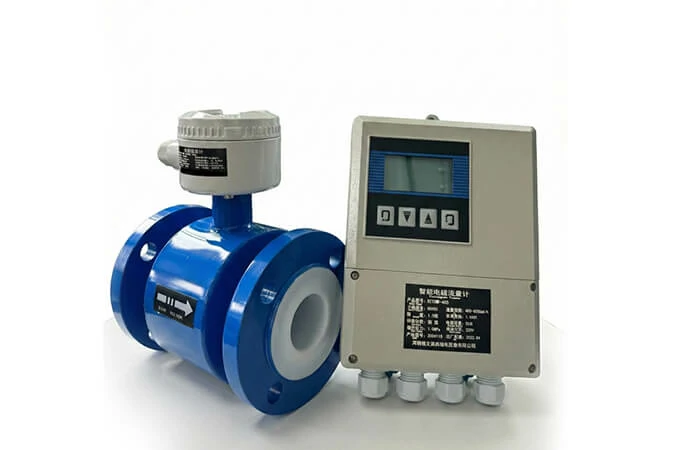
- Flow Meter = Measures flow
In many systems, these components are used together—a metering valve regulates the flow rate, while a flow meter monitors it.
Applications of Metering Valves in Industrial Systems
Let’s explore how metering valves are deployed in real-world B2B scenarios:
1. Gas Sampling Panels
In analytical instrumentation, precise gas sampling is critical. Metering valves enable lab technicians to regulate the exact volume of gas introduced into analyzers without pressure surges or fluctuations.
2. Chemical Dosing in Process Plants
From water treatment to oil refining, metering valves are used to inject chemicals in accurate, repeatable doses. This prevents waste and ensures safe, compliant operations.
3. Flow Regulation in Cleanrooms
In semiconductor and pharmaceutical manufacturing, any flow fluctuation can lead to contamination or product loss. Metering valves provide the flow stability required in clean environments.
4. Burner Control in Combustion Systems
Industrial burners often rely on metering valves to adjust air-fuel ratios with high precision—ensuring optimal combustion efficiency and reduced emissions.
Why Buy Metering Valves From waltervalves?
At waltervalves, we manufacture and wholesale a full range of instrumentation valves, including:
- Metering Valves (manual and high-pressure options)
- Needle Valves
- Check Valves
- Instrumentation Ball Valves
- Valve Manifolds and Double Block & Bleed Systems
As a B2B supplier with a 3,000 m² production plant in China, we offer:
- Factory-direct pricing
- Large ready inventory
- Short delivery time
- Custom logo or OEM options
Our clients across the Middle East, Southeast Asia, Europe, the U.S., Japan, and Korea rely on our quality, consistency, and service.
For project inquiries or technical consultations, email info@waltervalves.com.
Conclusion
Metering valves are essential for precise and stable flow regulation in industrial systems where every drop or molecule counts. Whether you’re regulating chemical doses, controlling gas flow in lab instruments, or adjusting microflows in automated processes, a metering valve provides the accuracy and reliability you need.
At waltervalves, we help industrial buyers like you source the right metering valve—on time and on budget.
Have questions about which metering valve fits your system? Leave a comment below or contact us for expert support.