في الأنظمة الصناعية ذات الضغط العالي، يمكن أن تؤدي طفرات الضغط المفاجئة إلى فشل كارثي في المعدات ومخاطر السلامة ووقت تعطل مكلف. يكافح العديد من المهندسين ومديري المشتريات لاختيار آليات الحماية المناسبة لهذه الأنظمة. فبدون تركيب الصمام المناسب، يمكن أن يتصاعد عطل صغير حتى إلى حادث خطير. وهنا يأتي دور صمامات التنفيس - حيث تلعب صمامات التنفيس دورًا في حماية الأنظمة تلقائيًا عن طريق تحرير الضغط الزائد قبل حدوث الضرر.
صمامات الإغاثة هي أجهزة أمان مصممة لتفتح تلقائيًا عند ضغط محدد مسبقًا لتحرير السوائل أو الغاز الزائد، وبالتالي منع الضغط الزائد في النظام. وبمجرد عودة الضغط إلى مستويات آمنة، يغلق الصمام مرة أخرى لاستئناف التشغيل العادي.
لماذا تعتبر صمامات الإغاثة ضرورية؟
يعتبر تخفيف الضغط من متطلبات السلامة الأساسية في أي نظام مضغوط، بما في ذلك خطوط الأنابيب وتوزيع الغاز والمعالجة الكيميائية والمعدات الهيدروليكية. بدون صمام تنفيس، يمكن أن يتجاوز تراكم الضغط الحدود التصميمية للأنابيب أو المكونات، مما يؤدي إلى:
- انفجار أنابيب أو أوعية أو أوعية
- حريق أو انفجار في البيئات القابلة للاشتعال
- تلف المعدات ووقت التعطل التشغيلي
- التسريبات البيئية أو تسرب المواد الخطرة
- إصابات الموظفين أو الوفيات
التثبيت المصنفة بشكل صحيح صمامات التنفيس يضمن الامتثال لمعايير السلامة ويساعد في الحفاظ على موثوقية النظام.
ما هو مبدأ العمل الأساسي لصمام الإغاثة؟
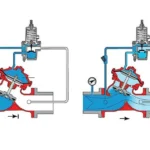
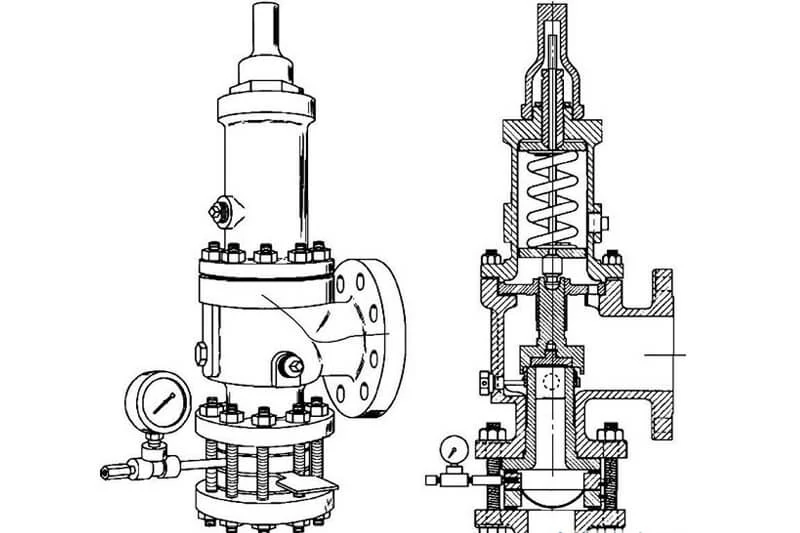
يعمل صمام التنفيس على مبدأ توازن القوة-عندما يتجاوز ضغط النظام الداخلي عتبة معايرة مسبقًا، فإنه يتغلب على قوة النابض أو القوة المضادة الهوائية التي تبقي الصمام مغلقًا.
تشمل المكونات الرئيسية ما يلي:
- منفذ المدخل: يتصل بالنظام المضغوط
- مقعد الصمام والقرص: سطح الختم
- زنبرك أو مشغل: يوفر القوة المعاكسة
- برغي التعديل: يضبط عتبة الضغط
عندما يدفع ضغط النظام إلى ما هو أبعد من قوة النابض:
يُرفع القرص من المقعد.
يتم تفريغ السوائل أو الغازات الزائدة من خلال المخرج.
وبمجرد انخفاض الضغط إلى ما دون نقطة الضبط، يقوم النابض بإعادة تعشيق القرص وإيقاف التدفق.
ما هي أنواع صمامات الإغاثة الشائعة في التطبيقات الصناعية؟
هناك عدة أنواع من صمامات التنفيس حسب الوسائط والاستخدام والدقة المطلوبة:
1. صمام الإغاثة الزنبركي
الأكثر شيوعاً
يحدد الشد الزنبركي الميكانيكي ضغط الفتح
مناسبة للغازات والسوائل
2. صمام تنفيس يعمل بالطيار
يستخدم صمام دلالي أصغر للتحكم في صمام رئيسي أكبر
أكثر استقراراً ودقة في تطبيقات الضغط العالي والتدفق الكبير
3. صمام تنفيس متوازن
مصممة لمواجهة الضغط الخلفي
مثالية لبيئات النظام المتقلبة
4. صمام تنفيس حراري
تستخدم على وجه التحديد للحماية من التمدد الحراري في السوائل (على سبيل المثال، خطوط أنابيب النفط المعرضة للشمس)
5. صمام تنفيس الأمان (SRV)
يجمع بين ميزات صمام الأمان وصمام التنفيس
يفتح تدريجياً أو فورياً حسب معدل زيادة الضغط
أين تُستخدم صمامات الإغاثة عادةً؟
توجد صمامات الإغاثة في مختلف الصناعات الحيوية:
- خطوط أنابيب النفط والغاز: لمنع تراكم الضغط
- مصانع المعالجة الكيميائية: للسوائل المسببة للتآكل أو السوائل الخطرة
- الغلايات وأنظمة البخار: كضمان ضد الانفجار
- المعدات الهيدروليكية: لتجنب فشل مانع التسرب وتسرب السوائل
- ضواغط الهواء: لتنفيس الضغط الزائد تلقائيًا
- أنظمة التبريد: لتطبيقات الغاز الطبيعي المسال/غاز البترول المسال
في صمامات والتر، لدينا صمامات التنفيس مصممة لتطبيقات الأجهزة والتحكم عالية الأداء في هذه البيئات بالذات.
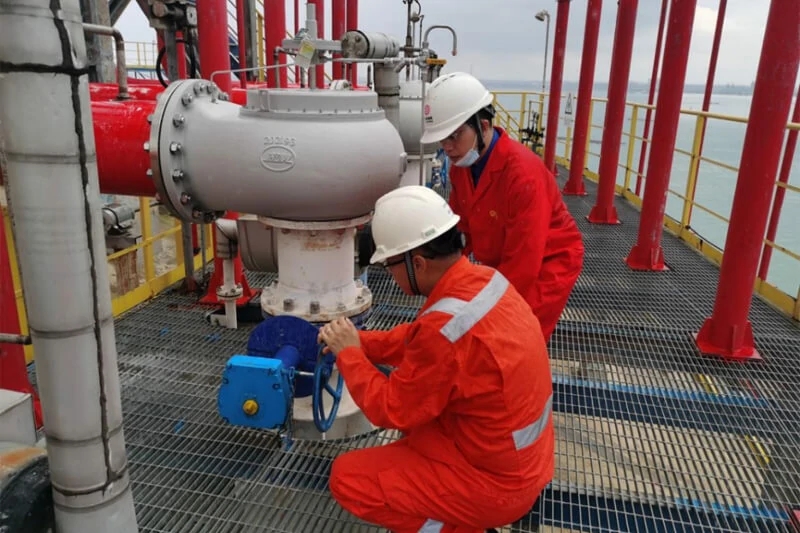
كيف تختار صمام التنفيس المناسب؟
يتضمن اختيار صمام التنفيس تقييم معلمات متعددة:
| معايير الاختيار | الاعتبارات |
| ضبط الضغط | تطابق مع ضغط التشغيل الأقصى المسموح به (MAWP) |
| سعة التدفق | بناءً على معدل التفريغ الزائد المتوقع للضغط الزائد |
| توافق الوسائط | المواد السائلة والغازية والبخارية والمواد المسببة للتآكل |
| مواد البناء | الفولاذ المقاوم للصدأ، والنحاس الأصفر، والسبائك الخاصة |
| نوع الاتصال | ملولبة، ذات حواف، ملحومة |
| الشهادات | ASME، API، ISO حسب المنطقة أو الصناعة |
نصيحة: استشر دائمًا الضغط التصميمي لنظامك وظروف التشغيل المتوقعة قبل اختيار الصمام.
ما الفرق بين صمام الإغاثة وصمام الأمان؟
| الميزة | صمام الإغاثة | صمام الأمان |
| السلوك الافتتاحي | الفتح التدريجي | فتح كامل مفاجئ |
| التطبيق | الأنظمة السائلة | أنظمة الغاز/البخار |
| حالة الاستخدام | الهيدروليكية، والتمدد الحراري، وخزانات السوائل | الغلايات وأوعية الضغط |
| نطاق الضغط المصمم | متوسط إلى مرتفع | الضغط العالي |
في حين أن كلاهما عبارة عن أجهزة تحرير الضغط, صمامات التنفيس مصممة خصيصاً ل التحكم في الضغط التدريجيفي حين أن صمامات الأمان الاستجابة الفورية للارتفاعات المفاجئة الخطيرة.
كيفية صيانة صمام الإغاثة للاستخدام طويل الأمد؟
لضمان بقاء نظامك محمياً، فإن الصيانة الدورية ضرورية:
- الفحص: تحقق من عدم وجود تآكل أو حطام أو تآكل الزنبرك
- اختبار التسرب: التأكد من إحكام المقعد وسلامة الإغلاق
- المعايرة: إعادة التحقق من الضغط المحدد سنويًا أو وفقًا للوائح التنظيمية
- الاستبدال: تبديل المكونات المتقادمة أو الصمامات بأكملها بشكل دوري
في صمامات والترنحن نقدم صمامات تنفيس متينة ومنخفضة الصيانة التي تتحمل الظروف الصناعية الصعبة.
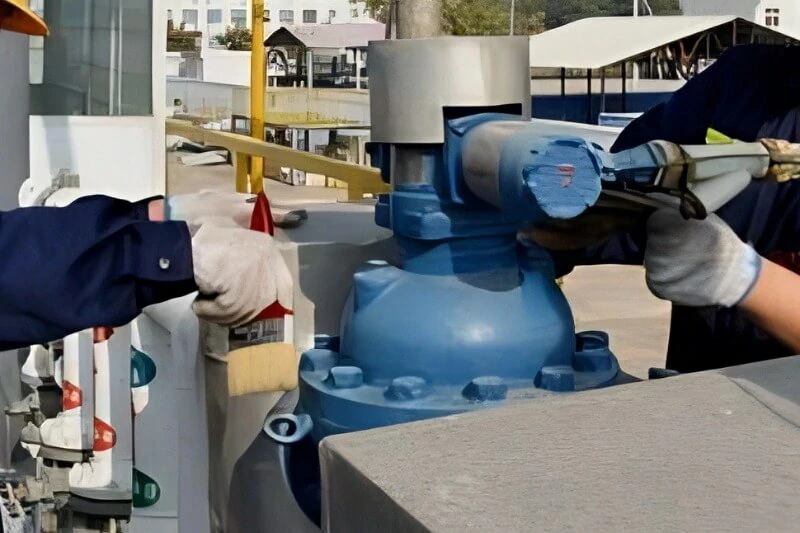
ما هي العلامات الشائعة لتعطل صمام الإغاثة؟
إذا حدث أي من ذلك، فقد حان وقت الفحص أو الاستبدال:
- تسرب الصمامات عندما يجب أن تكون مغلقة بإحكام
- عدم الفتح عند الضغط المحدد
- يظل الصمام عالقاً مفتوحاً بعد انخفاض الضغط
- تفريغ صاخب أو اهتزاز أثناء التشغيل
لا تعرض الصمامات المعيبة السلامة للخطر فحسب، بل يمكن أن تؤدي أيضًا إلى حدوث انتهاكات تنظيمية أو تعطل النظام.
الخاتمة
تلعب صمامات الإغاثة دورًا حاسمًا في سلامة النظام الصناعي، مما يضمن الحماية من الضغط الزائد لأنظمة السوائل والغاز على حد سواء. من خلال فهم كيفية عملها، والأنواع المختلفة المتاحة، وكيفية اختيارها وصيانتها، يمكن لمديري المشتريات والمهندسين منع الأعطال المكلفة وضمان أداء موثوق للنظام.
في صمامات والترنقوم بتصنيع وتوريد مجموعة كاملة من صمامات التنفيس وغيرها من منتجات الأجهزة الأخرى - المصممة مع مراعاة الأداء والمتانة والمشترين العالميين من الشركات.
اتصل بنا اليوم في info@waltervalves.com أو قم بزيارة متجر علي بابا لطلب عرض أسعار أو كتالوج المنتجات.