Choosing the right valve can be confusing—especially when deciding between ball valves and needle valves. Selecting the wrong one may result in poor flow control, safety issues, or system inefficiency. This article will break down their structural and functional differences so you can make more informed, cost-effective purchasing decisions.
Ball valves offer quick shutoff and are ideal for on/off flow control, while needle valves allow precise flow regulation with gradual adjustments. Ball valves are commonly used in systems that need fast operation and durability, whereas needle valves are better suited for instrumentation and applications requiring fine control.
Let’s explore how each valve works, where they’re used, and what makes them suitable—or unsuitable—for specific industrial applications.
What is a Ball Valve?
A ball valve uses a rotating ball with a hole (port) through its center to control fluid flow. When aligned with the pipe, the flow passes freely; when rotated 90 degrees, the hole blocks the flow completely. This simple mechanism allows for quick shutoff with minimal torque and low pressure drop.
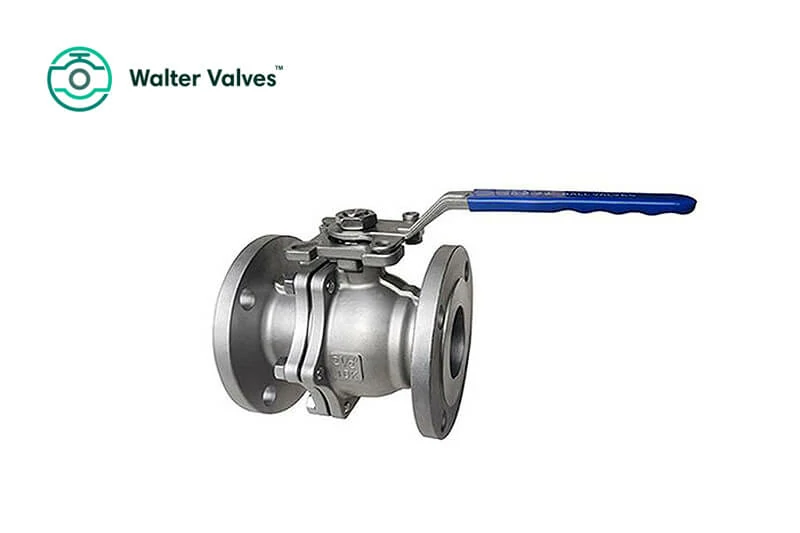
Key Features of Ball Valves:
- Quarter-turn operation: Fast open/close
- Durable sealing: Good for long-term service
- Low pressure drop: Minimal flow resistance
- Robust body materials: Suitable for high-pressure applications
- Types available: 2-way, 3-way, full port, reduced port
Ball valves from waltervalves are widely used in oil & gas, petrochemical, and general fluid control systems due to their reliability and compact design.
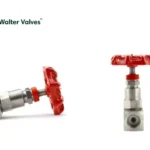
What is a Needle Valve?
Needle valves are precision control valves that regulate flow through a fine-threaded stem and a tapered needle-like plunger. When turned, the needle moves gradually in or out of the seat, allowing for very fine adjustments in flow rate.
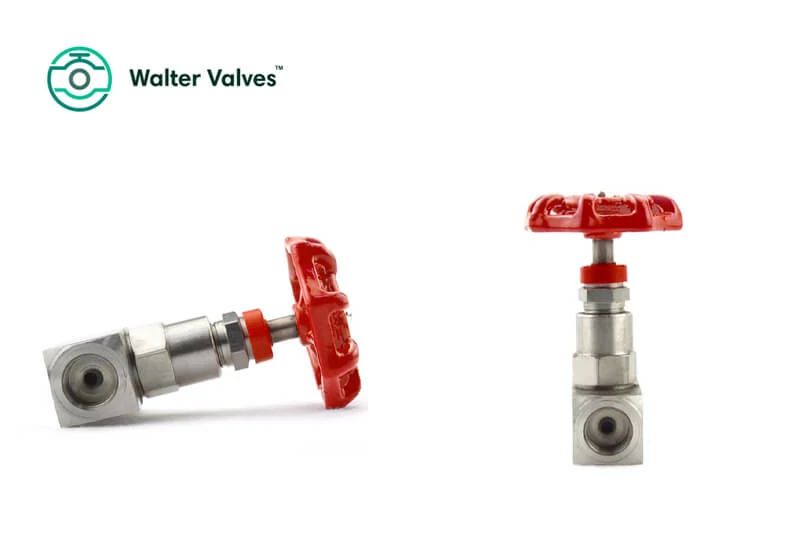
Key Features of Needle Valves:
- Threaded stem control: Enables gradual opening/closing
- High precision: Suitable for low flow applications
- Leak-proof sealing: Often used in instrumentation lines
- Pressure and temperature tolerance: Ideal for lab and process control
- Versatile connections: Available in various thread types (NPT, BSP, etc.)
At waltervalves, our needle valves are crafted for precise instrumentation control in chemical plants, laboratories, and analytical systems.
What Are the Structural Differences Between Ball and Needle Valves?
| Feature | Ball Valve | Needle Valve |
| Flow Control | On/Off (quick action) | Precise throttling (gradual) |
| Internal Mechanism | Hollow ball with port | Needle-shaped plunger with seat |
| Operation Type | Quarter-turn handle | Multi-turn threaded stem |
| Seal Type | Soft or metal seats | Fine-threaded metal-to-metal seal |
| Response Speed | Instant | Slow and controlled |
| Size Range | Typically larger | Typically smaller |
This structural distinction directly affects performance, application range, and safety design.
Which Applications Require Ball Valves?
Ball valves are ideal when quick shutoff or full flow is needed with minimal pressure drop. They are often used in:
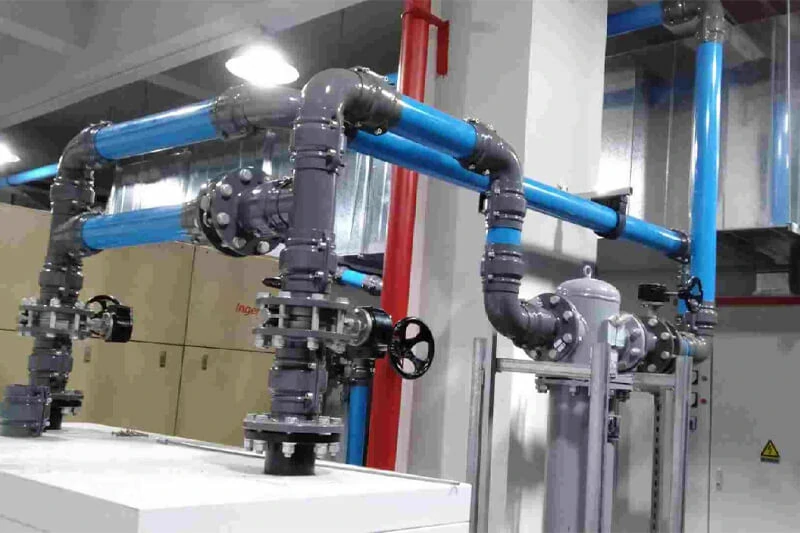
Industrial gas and oil pipelines
HVAC systems
Water treatment plants
Compressed air lines
Power generation systems
Advantages in industrial B2B use:
Reliable shutoff in critical systems
Easy to automate (with actuators)
Long service life with minimal maintenance
Due to their durable body and tight sealing, waltervalves’ instrumentation ball valves are trusted in international projects across the Middle East and Southeast Asia
Which Applications Require Needle Valves?
Needle valves are essential in precise flow control environments, particularly where safety and measurement accuracy matter. Common applications include:
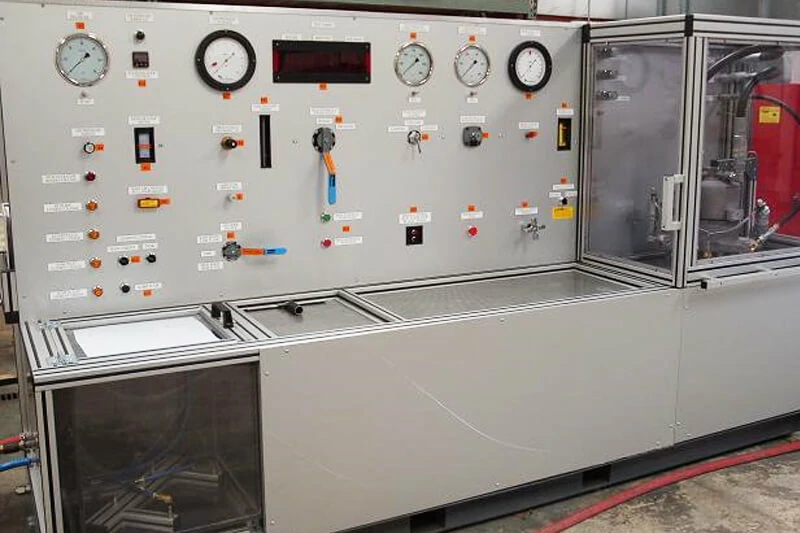
- Chemical dosing systems
- Pressure calibration
- Instrumentation lines
- Hydraulic testing benches
- Analytical equipment in laboratories
Benefits for B2B buyers:
- Accurate flow regulation
- Suitable for high-pressure systems
- Excellent for sampling or bleeding applications
For customers in Europe, the U.S., and Japan, waltervalves’ needle valves are often specified in process control contracts and OEM builds.
How Do Ball and Needle Valves Perform Under Pressure?
- Ball Valves: Generally support high pressure (up to 6000 psi) but performance depends on body material and seat design.
- Needle Valves: Can also handle high pressures, especially forged stainless steel types, and are more suited to gradual pressure reduction.
When safety and stability under high-pressure conditions are a concern, needle valves offer more control, while ball valves offer more convenience.
Maintenance and Durability: Which Lasts Longer?
- Ball valves are rugged, with low wear during on/off cycles, making them excellent for systems with frequent actuation.
- Needle valves are more sensitive to wear over time due to thread usage and precision parts, especially in abrasive or dirty fluids.
That said, waltervalves manufactures both valve types from corrosion-resistant stainless steel with reinforced sealing systems, ensuring long-term durability and lower total cost of ownership.
Cost Considerations: Which Valve is More Economical?
| Factor | Ball Valve | Needle Valve |
| Initial Cost | Typically lower for basic models | Slightly higher for precision types |
| Installation Cost | Easy, especially in inline systems | May require alignment in systems |
| Maintenance | Minimal | May require occasional retightening |
| Long-Term Value | High for frequent on/off use | High for continuous flow control |
For large B2B orders, waltervalves offers ex-factory pricing and bulk discounts, helping distributors and OEMs maximize margins.
Common Mistakes When Choosing Between Ball and Needle Valves
- Overlooking flow requirements: A ball valve won’t regulate flow properly.
- Wrong valve for system pressure: Some ball valves may leak under extremely high-pressure precision systems.
- Assuming interchangeable use: Despite similar appearances in compact systems, they are functionally distinct.
- Not checking material compatibility: Stainless steel is ideal, but certain fluids may require specific seat or seal materials.
Avoiding these mistakes can prevent leakage, downtime, and unnecessary procurement costs.
Summary
Choose a ball valve if:
- You need fast shutoff
- You prioritize simplicity and reliability
- Your system requires full-flow capability
Choose a needle valve if:
- You need precise, repeatable flow control
- You’re working with instrumentation or dosing systems
- Your system requires fine pressure adjustment
Both play essential roles in industrial systems—and choosing the right one is about aligning valve function with system needs.
Conclusion
Understanding the key differences between ball valves and needle valves allows industrial buyers, engineers, and procurement teams to make smarter, safer, and more cost-effective decisions. Whether you’re sourcing valves for oil & gas, chemical, instrumentation, or water treatment applications, having the right product ensures performance and peace of mind.
Looking for reliable B2B valve suppliers?
Contact waltervalves today at info@waltervalves.com for factory pricing, bulk inventory, and expert technical support.