Industrial engineers and buyers often ask what a metering valve is and whether it differs from a needle valve or other flow-control components. Misunderstanding this leads to poor flow stability, inaccurate dosing, and unnecessary system downtime. To solve these issues, this guide explains what a metering valve does, how it works, and how to choose the right one.
A metering valve is a precision flow-control valve designed to regulate very small, stable, and repeatable liquid or gas flow rates. It uses a finely tapered, multi-turn stem that allows gradual, micro-adjustments, making it essential for sampling, chemical dosing, lubrication metering, and instrumentation systems. Unlike standard needle valves, metering valves offer far higher resolution and control accuracy.
To help you choose the right valve for your application, the following sections answer the most common Google PAA questions about metering valves used in industrial systems.
What Is a Metering Valve?
A metering valve is a specialized flow-control device used to achieve precise, minute adjustments of fluid flow. Unlike most valves designed for shut-off or general throttling, metering valves are engineered specifically for situations where repeatable low-flow accuracy is required.
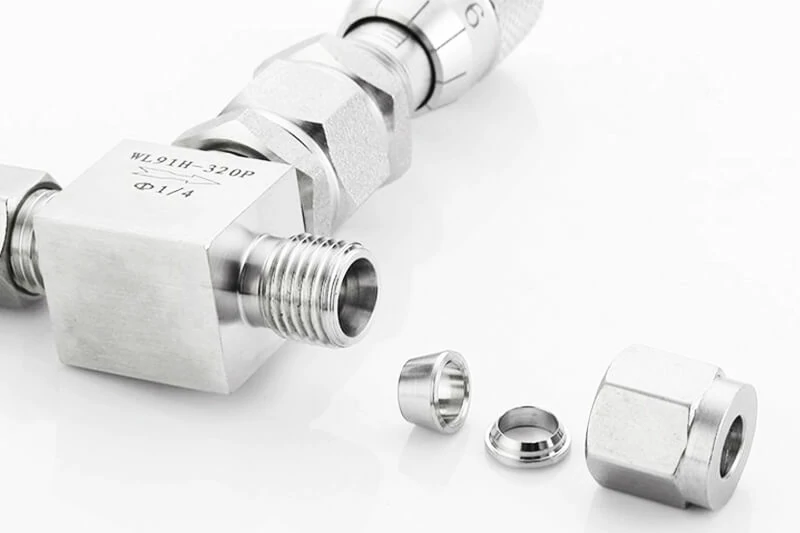
Metering valves typically feature:
- A multi-turn operating handle
- A finely tapered stem tip
- Tight machining tolerances
- Slow, controlled axial movement
- Excellent resolution for low-flow control
- High repeatability when returning to the same setting
These characteristics make metering valves indispensable in applications such as gas sampling systems, chemical injection skids, lubrication metering lines, analyzer panels, and high-precision laboratory instruments.
For companies like Walter Valves, which manufacture instrumentation valves in a dedicated 3,000-square-meter facility, ensuring precision stem tapering and repeatability is a core part of delivering reliable performance to B2B buyers worldwide.
How Does a Metering Valve Work?
A metering valve controls flow by gradually changing the clearance between a finely tapered stem and the valve orifice. Its function depends on the following mechanisms:
Multi-Turn Stem Operation
A typical metering valve requires 10–20 turns from closed to fully open. This extended rotation allows micro-level adjustments of flow rate that cannot be achieved with fast-acting valves.
Tapered Needle Geometry
The stem tip is engineered with a long, slender taper. As the operator turns the handle, the tip approaches or retracts from the seat in extremely small increments, allowing linear, repeatable changes in flow.
Controlled Flow Path
The clearance between the taper and the orifice creates a controlled restriction. Even slight movements cause measurable, predictable changes in flow.
Repeatability Under Constant Conditions
Because of the tight tolerances in machining, a metering valve can return to the same flow rate at the same stem position, a requirement in analyzer systems and precise dosing operations.
Smooth Flow Regulation
There is no abrupt opening or closing, making metering valves ideal for sensitive reaction systems, fragile instruments, or systems requiring stable laminar flow.
What Are the Applications of a Metering Valve?
Metering valves are used in any industrial setting that requires precision flow control, especially where flow fluctuations may compromise system quality, safety, or measurement accuracy.
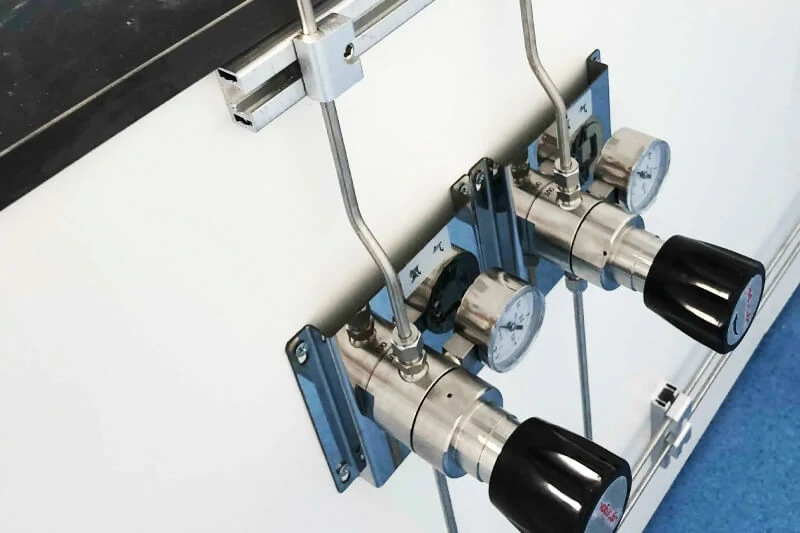
Gas and Liquid Sampling Systems
In chemical plants, refineries, and environmental monitoring, sampling rates must remain stable to avoid data errors. Metering valves ensure:
- Controlled sample extraction
- No sudden pressure drops
- Stable analyzer readings
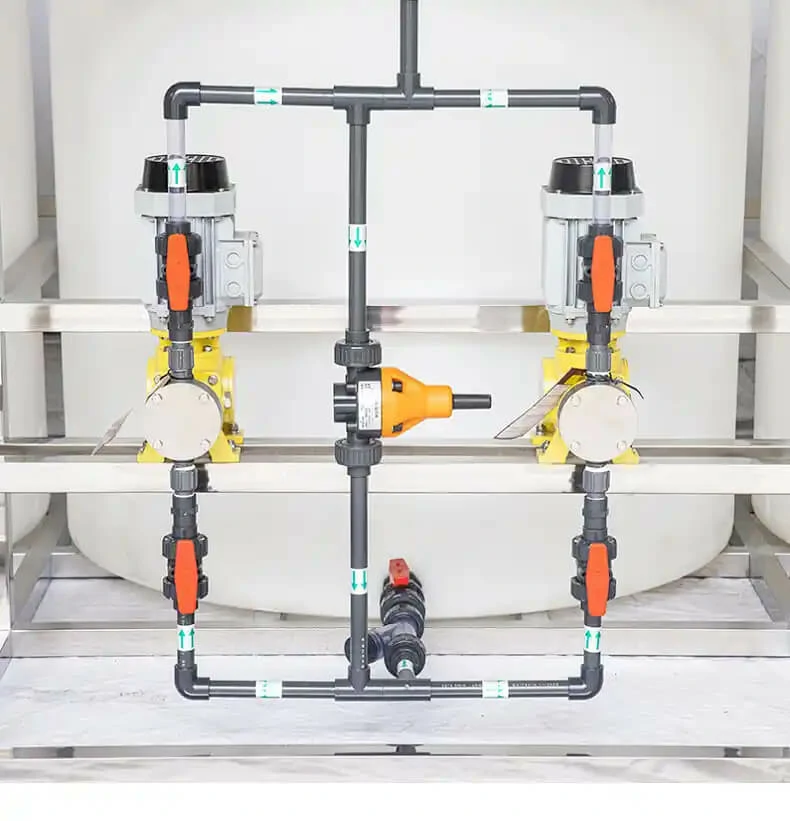
Chemical Injection & Dosing
Used widely in:
- Water treatment
- Corrosion inhibitor injection
- Polymer dosing
- Fuel additive systems
- Cooling-water chemical control
Dosing accuracy directly impacts operational efficiency, corrosion resistance, and product quality.
Precision Lubrication Lines
Critical machines such as turbines, compressors, bearings, and gearboxes require precise lubrication amounts. Over-lubrication causes heat; under-lubrication causes wear. Metering valves help maintain:
- Constant lubrication flow
- Accurate film thickness
- Extended equipment life
This is especially relevant for your target buyers—large bearing customers.
Pneumatic and Hydraulic Instrumentation Panels
Used in control systems to regulate pilot signals, hydraulic bleed-offs, and pneumatic logic circuits.
Analyzer & Laboratory Equipment
Essential for:
- GC (Gas Chromatography)
- Analytical sampling
- Flow-controlled reactions
- Calibration routines
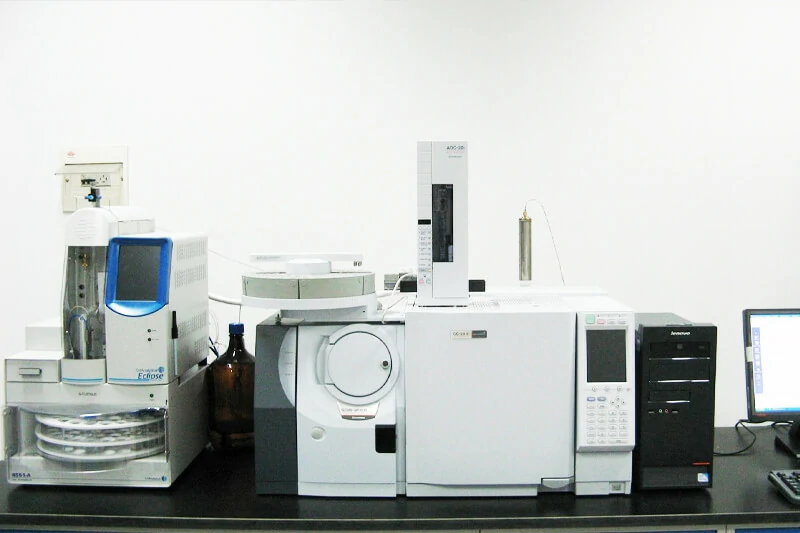
These applications require extremely fine control, often down to cc/min flow rates.
High-Purity or Clean Operations
In pharmaceuticals and semiconductor manufacturing, metering valves prevent:
- Flow surges
- Particle contamination
- Cross-media mixing
Walter Valves’ stainless-steel metering valves are suitable for these controlled environments and can be paired with your other product lines such as needle valves, check valves, and ball valves to build complete instrumentation systems.
What Is the Difference Between a Metering Valve and a Needle Valve?
Although similar in appearance, these two valves serve different purposes.
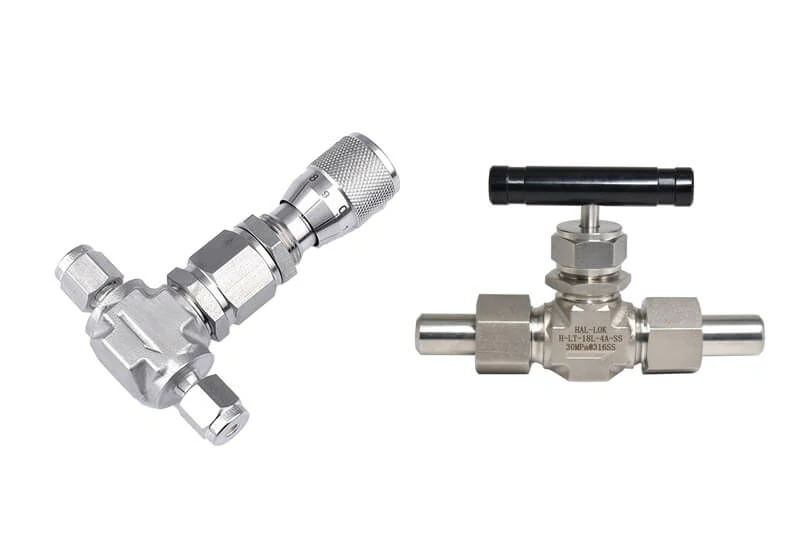
Precision Level
- Metering Valve: Ultra-high precision, multi-turn, micro-flow control
- Needle Valve: Moderate precision, general throttling or shut-off
Stem Geometry
- Metering Valve: Long, slim, finely tapered needle
- Needle Valve: Shorter taper, fewer turns
Application Suitability
Metering valves are ideal for:
- Sampling
- Chemical dosing
- Analyzer systems
- Lubrication metering
Needle valves are suited for:
- Shut-off
- Basic throttling
- Higher-flow systems
Flow Resolution
Metering valves offer much higher resolution, often 10×–20× more controllable than a needle valve.
Repeatability
Metering valves maintain a stable flow at repeated settings; needle valves generally do not.
Cost Consideration
Metering valves are more expensive due to precision machining, but offer better long-term stability and accuracy in sensitive processes.
How Do You Select a Metering Valve for Your Application?
Selecting the right metering valve ensures stable performance and long equipment life. The key factors are:
Required Flow Range
This is the most important parameter. Determine:
- Minimum flow
- Maximum flow
- Desired resolution
For micro-flow applications (such as gas sampling), choose a fine taper type.
Pressure Rating & Temperature Range
Confirm that the valve material and design can handle your operating conditions. Temperature shifts can change flow behavior—especially in gases.
Media Compatibility
Stainless steel 316/316L is recommended for:
- Corrosive fluids
- High-purity systems
- High-temperature environments
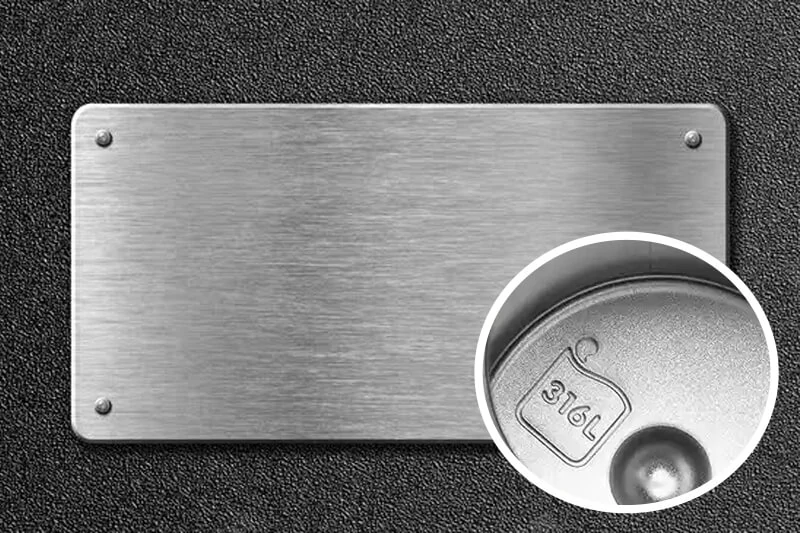
Brass is suitable for non-corrosive gases or general laboratory applications.
End Connections
Choose based on industry standard:
- NPT
- BSPP
- Compression fittings
- Tube ends
Walter Valves supplies all major connection types for global markets—including the Middle East, Southeast Asia, Europe, the U.S., Japan, and South Korea.
Turn Resolution
Higher-turn stems are better for ultra-fine control.
Cleanliness Requirements
For high-purity or oxygen service, valves need:
- Clean-room assembly
- Hydrocarbon-free lubrication
- Electropolished interiors
Delivery Time & Inventory
As a B2B manufacturer with a 3,000 m² processing plant, Walter Valves offers:
- Factory-direct pricing
- Sufficient inventory
- Short delivery time
This is especially important for OEM buyers, distributors, and industrial project contractors.
Conclusion
Metering valves are essential components in analytical systems, chemical dosing, lubrication lines, hydraulic controls, and any process requiring precise, stable, and repeatable low-flow regulation. Their multi-turn stems, fine tapers, and tight tolerances make them superior to needle valves for micro-adjustments.
For industrial buyers evaluating instrumentation valves, choosing the correct metering valve ensures system reliability, accuracy, and long-term stability. As a manufacturer offering instrumentation ball valves, needle valves, check valves, metering valves, manifolds, bleed valves, and grease fittings, Walter Valves provides dependable, factory-priced products with fast delivery and strict quality control.
If you found this guide useful, feel free to share it, save it, or leave a comment. For bulk orders, OEM support, or distributor inquiries, contact:
Zhiwen – info@waltervalves.com