Em sistemas industriais de alta pressão, picos repentinos de pressão podem levar a falhas catastróficas do equipamento, riscos à segurança e tempo de inatividade dispendioso. Muitos engenheiros e gerentes de compras têm dificuldade para selecionar os mecanismos de proteção corretos para esses sistemas. Sem a válvula adequada instalada, até mesmo um pequeno defeito pode se transformar em um incidente grave. É aí que as válvulas de alívio entram em ação, protegendo automaticamente os sistemas ao liberar o excesso de pressão antes que ocorram danos.
Válvulas de alívio são dispositivos de segurança projetados para abrir automaticamente a uma pressão predefinida para liberar o excesso de fluido ou gás, evitando assim a sobrepressão em um sistema. Quando a pressão retorna aos níveis seguros, a válvula se fecha novamente para retomar a operação normal.
Por que as válvulas de alívio são necessárias?
O alívio de pressão é um requisito de segurança fundamental em qualquer sistema pressurizado, incluindo tubulações, distribuição de gás, processamento de produtos químicos e equipamentos hidráulicos. Sem uma válvula de alívio, o acúmulo de pressão pode exceder os limites de projeto dos tubos ou componentes, levando a:
- Tubos ou vasos estourados
- Incêndio ou explosão em ambientes inflamáveis
- Danos ao equipamento e tempo de inatividade operacional
- Vazamentos ambientais ou de materiais perigosos
- Lesões ou fatalidades de pessoal
Instalar a classificação adequada válvulas de alívio garante a conformidade com os padrões de segurança e ajuda a manter a confiabilidade do sistema.
Qual é o princípio básico de funcionamento de uma válvula de alívio?
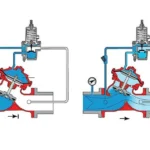
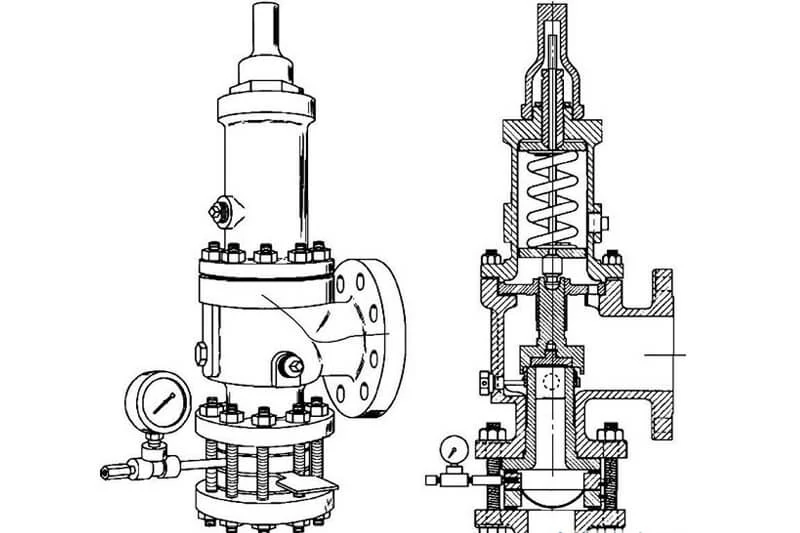
Uma válvula de alívio funciona em um princípio do equilíbrio de forças-Quando a pressão interna do sistema ultrapassa um limite pré-calibrado, ela supera a força da mola ou a contraforça pneumática que mantém a válvula fechada.
Os principais componentes incluem:
- Porta de entrada: Conecta-se ao sistema pressurizado
- Sede e disco da válvula: A superfície de vedação
- Mola ou atuador: Fornece a força oposta
- Parafuso de ajuste: Define o limite de pressão
Quando a pressão do sistema ultrapassa a força da mola:
O disco se levanta do assento.
O excesso de fluido ou gás é descarregado pela saída.
Quando a pressão cai abaixo do ponto de ajuste, a mola volta a assentar o disco, interrompendo o fluxo.
Que tipos de válvulas de alívio são comuns em aplicações industriais?
Há vários tipos de válvulas de alívio, dependendo do meio, da aplicação e da precisão necessária:
1. Válvula de alívio acionada por mola
Mais comuns
A tensão mecânica da mola define a pressão de abertura
Adequado para gases e líquidos
2. Válvula de alívio operada por piloto
Usa uma válvula piloto menor para controlar uma válvula principal maior
Mais estável e preciso para aplicações de alta pressão e grande vazão
3. Válvula de alívio balanceada
Projetado para neutralizar a contrapressão
Ideal para ambientes de sistema flutuantes
4. Válvula de alívio térmico
Especificamente usado para proteger contra a expansão térmica em líquidos (por exemplo, oleodutos expostos ao sol)
5. Válvula de alívio de segurança (SRV)
Combina os recursos da válvula de segurança e da válvula de alívio
Abre gradual ou instantaneamente, dependendo da taxa de aumento de pressão
Onde as válvulas de alívio são normalmente usadas?
As válvulas de alívio são encontradas em vários setores críticos:
- Dutos de petróleo e gás: Para evitar o acúmulo de pressão
- Plantas de processamento químico: Para fluidos corrosivos ou perigosos
- Caldeiras e sistemas de vapor: Como proteção contra explosão
- Equipamento hidráulico: Para evitar falhas na vedação e vazamentos de fluido
- Compressores de ar: Para ventilar automaticamente a sobrepressão
- Sistemas criogênicos: Para aplicações de GNL/GPL
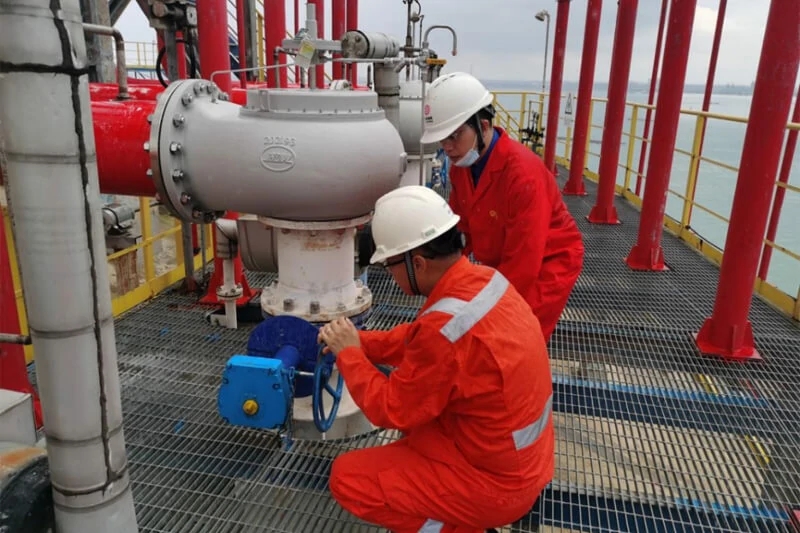
Em Válvulas Walter, nosso válvulas de alívio são projetados para aplicações de instrumentação e controle de alto desempenho nesses mesmos ambientes.
Como selecionar a válvula de alívio correta?
A seleção de uma válvula de alívio envolve a avaliação de vários parâmetros:
| Critérios de seleção | Considerações |
| Pressão de ajuste | Corresponder à pressão máxima de trabalho permitida (MAWP) |
| Capacidade de fluxo | Com base na taxa de descarga de sobrepressão esperada |
| Compatibilidade de mídia | Líquido, gás, vapor, materiais corrosivos |
| Material de construção | Aço inoxidável, latão, ligas especiais |
| Tipo de conexão | Rosqueado, flangeado, soldado |
| Certificações | ASME, API, ISO com base na região ou no setor |
Dica: Sempre consulte a pressão de projeto do seu sistema e as condições operacionais esperadas antes de escolher uma válvula.
Qual é a diferença entre uma válvula de alívio e uma válvula de segurança?
| Recurso | Válvula de alívio | Válvula de segurança |
| Comportamento de abertura | Abertura gradual | Abertura total repentina |
| Aplicativo | Sistemas líquidos | Sistemas de gás/vapor |
| Caso de uso | Hidráulica, expansão térmica, tanques de fluido | Caldeiras, vasos de pressão |
| Faixa de pressão de projeto | Moderado a alto | Alta pressão |
Embora ambos sejam dispositivos de liberação de pressão, válvulas de alívio são feitos sob medida para controle gradual da pressão, enquanto válvulas de segurança responder instantaneamente a surtos perigosos.
Como fazer a manutenção de uma válvula de alívio para uso a longo prazo?
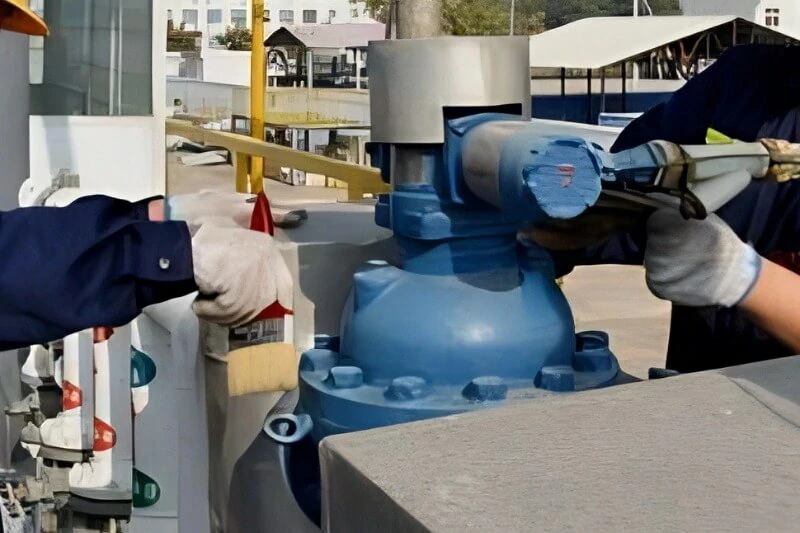
Para garantir que seu sistema permaneça protegido, a manutenção regular é essencial:
- Inspeção: Verifique se há corrosão, detritos ou desgaste da mola
- Teste de vazamento: Confirme o aperto da sede e a integridade do fechamento
- Calibração: Verifique novamente a pressão definida anualmente ou de acordo com os regulamentos
- Substituição: Troque periodicamente os componentes que estão envelhecendo ou as válvulas inteiras
Em Válvulas WalterOferecemos Válvulas de alívio duráveis e de baixa manutenção que resistem a condições industriais adversas.
Quais são os sinais comuns de uma válvula de alívio com defeito?
Se alguma dessas situações ocorrer, é hora de inspecionar ou substituir:
- A válvula apresenta vazamento quando deveria estar vedada
- Falha ao abrir na pressão definida
- A válvula permanece presa e aberta após a queda de pressão
- Descarga ruidosa ou vibração durante a operação
As válvulas defeituosas não só comprometem a segurança, mas também podem provocar violações de normas ou paralisações do sistema.
Conclusão
As válvulas de alívio desempenham um papel crucial na segurança do sistema industrial, garantindo proteção contra sobrepressão para sistemas de líquidos e gases. Ao entender como elas funcionam, os diferentes tipos disponíveis e como selecioná-las e mantê-las, os gerentes de compras e engenheiros podem evitar falhas dispendiosas e garantir o desempenho confiável do sistema.
Em Válvulas WalterA empresa fabrica e fornece uma linha completa de válvulas de alívio e outros produtos de instrumentação - projetados tendo em mente o desempenho, a durabilidade e os compradores B2B globais.
Entre em contato conosco hoje em info@waltervalves.com ou visite nossa loja no Alibaba para solicitar uma cotação ou um catálogo de produtos.