
What Is the Purpose of an Instrument Manifold?
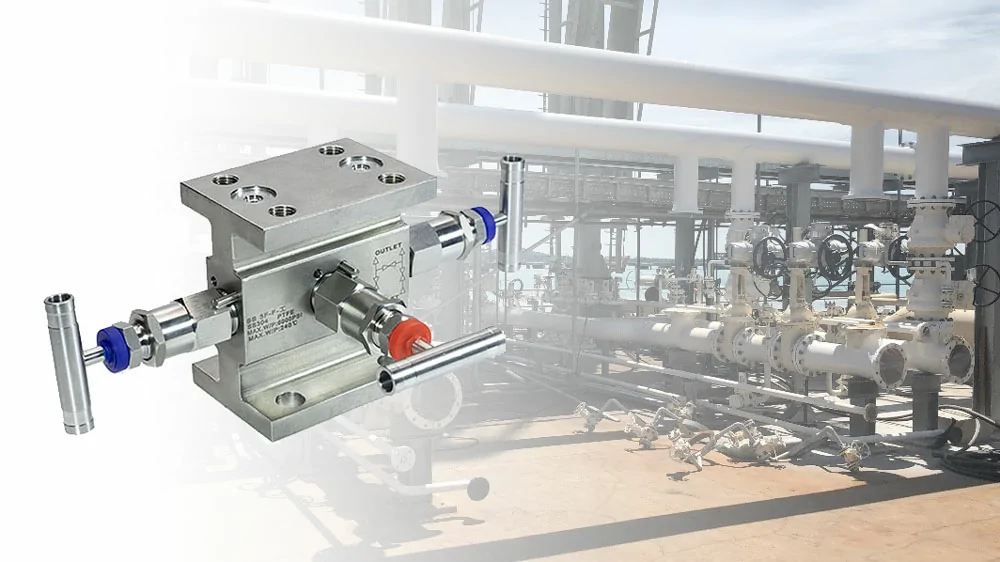
An instrument manifold is a critical component in process control systems, designed to simplify the distribution, regulation, and isolation of fluids or gases in industrial applications. Whether used in oil and gas, chemical processing, or HVAC systems, manifolds improve efficiency, safety, and maintenance operations. If you’re looking to optimize your fluid or gas control system, […]
What Is a Needle Valve?
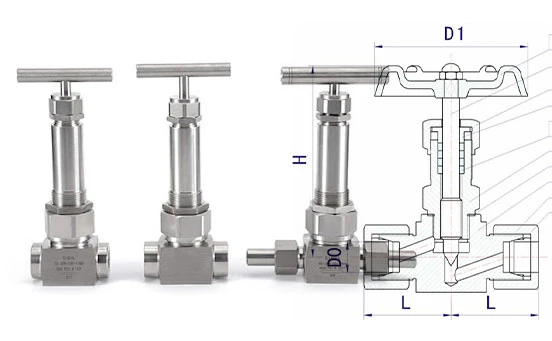
In complex fluid systems, even the slightest fluctuation in flow can cause serious disruption, from incorrect instrument readings to product quality issues in manufacturing. Many engineers are constantly searching for valves that offer both precision and stability. Among the many types of valves available, the needle valve is specifically designed for accurate flow control. In […]
Is A Gauge Valve An Instrument Manifold?
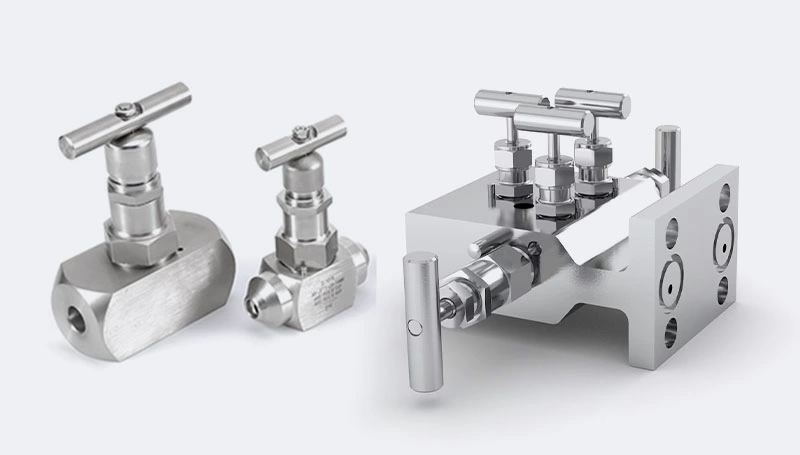
At first glance, the two may seem similar, and it’s easy to confuse them in industrial control systems. However, instrumentation valves and instrument manifolds differ significantly in both structure and function. In the evolving field of industrial instrumentation, precision and control are paramount. Instrumentation valves are not the same as instrumentation manifolds. An instrumentation valve […]
How many types of instrumentation valves are there?
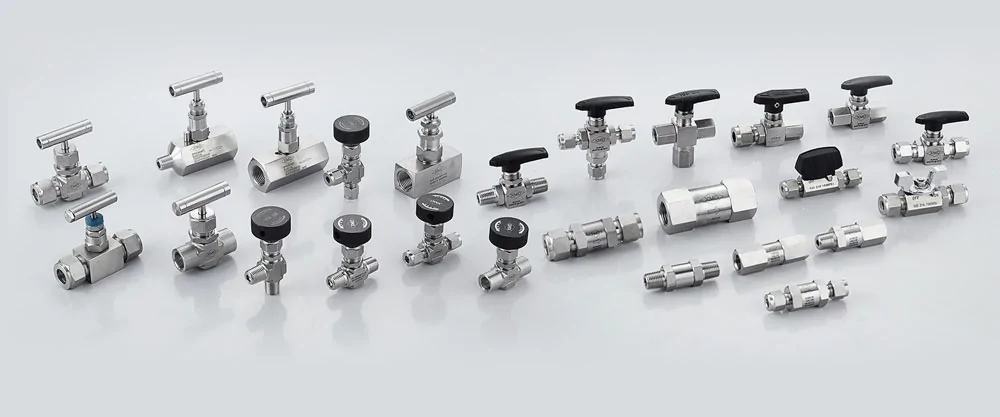
In industrial manufacturing systems, strict and precise control of production processes is essential. Instrumentation valves play a foundational role in regulating the flow of fluids and gases. From isolation and throttling to venting and backflow prevention, they ensure stable process measurements and protect instrumentation components. There are ten main types of instrumentation valves, each designed […]
How do instrumentation valves work?

Instrumentation valves play a vital role in maintaining the safety, accuracy, and reliability of fluid and gas systems across various industrial applications. These components serve as control points for isolating, regulating, or redirecting the flow of media such as air, steam, water, oil, or corrosive chemicals. Whether in power plants or petrochemical facilities, they are […]
What are instrumentation valves?

In the oil and gas, chemical, and power generation industries, instrumentation valves are critical components in fluid and gas measurement systems, ensuring precise control, isolation, and regulation of media in high-accuracy environments. Unlike process valves designed for high flow control, instrumentation valves are built to handle smaller flow rates with precision. Instrumentation valves are compact, […]
What is a Bleeder Bonnet in a Valve Assembly?

In industrial pipeline systems, pressure buildup is a common and dangerous issue, especially in the oil & gas, high-pressure, and chemical industries. If the residual pressure inside a sealed chamber is not released in time, it could lead to equipment damage or personal injury. The bleeder bonnet is one of the key components designed to […]
How to choose instrumentation valve
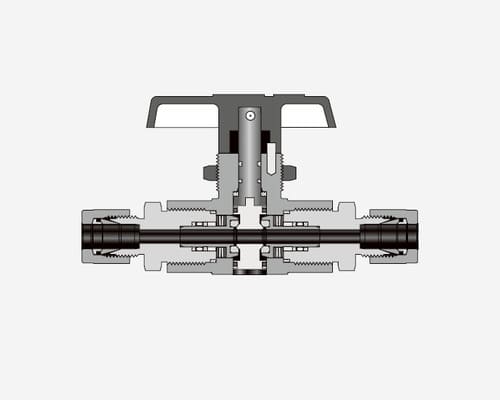
Walter instrumentation valves are fully interchangeable with Swagelok® & Parker A-Lok® and Parker CPI™. Our China-made fittings are used in instrumentation tubing systems in all processes, including oil and gas, pulp and paper, steel manufacturing, and energy. Instrumentation valve industrial performance and quality requirements: The main performance indicators of instrument valves are nominal diameter, connection […]
Structure and working principle of needle valve

External spring-sealed fully-opened needle valve structure: mainly by the body (including the seat), spool (including the stem), and pressure load composition.
Matters needing attention when selecting instrument valve
.jpg)
Basic valve/package design
Pressure fluctuation
Pressure and temperature considerations
